Bagasse vs PE vs CPLA Coffee Cup Lids: The Real Differences for Cafe Operators
The lid is half the customer experience and most of the recycling problem - get it right and you fix both.
UK cafes can pick between three coffee cup lid materials in 2026: PE/PS plastic (cheapest, robust seal, hardest to recycle, PPT-liable), CPLA (industrial compostable, heat-stable to 85°C, still classified as plastic for UK PPT), and bagasse sugarcane fibre (home and industrial compostable, PPT-exempt, but trickier to seal on uneven rims). The right choice depends on three things: hot or cold drinks, delivery or counter, and the brand story you're telling. This guide takes you through the trade-offs on heat, leak resistance, cost per 1,000, PPT exposure and end-of-life.
At a glance: the three lid types
PE / PS plastic Cheapest. Heat to ~95°C. Robust seal. Not kerbside-recyclable in UK mixed streams. PPT-liable.
CPLA Industrial compostable. Heat to ~85°C. Reliable seal. Still classified as plastic for UK PPT.
Bagasse fibre Home + industrial compostable to EN 13432. Heat to ~100°C. PPT-exempt. Seal depends on cup rim quality.
The lid is half the experience
An operator can spend 1.5p extra per cup on a beautifully printed double-wall paperboard and then ruin the unboxing with a 0.3p PS sip lid that doesn't fit the rim and leaks down the customer's wrist. Lids are not an afterthought. Restopack's lid material comparison and Bioleader's eco lid guide both make the same point: lid choice drives leak rate, brand perception and end-of-life, often more than cup choice.
PE / PS plastic lids: the volume default
Polyethylene and polystyrene injection-moulded lids dominate the UK coffee cup market on price alone. A 90mm PS sip lid runs around £15-25 per 1,000 at trade prices; PE is similar. They seal reliably on standard cup rims, handle hot coffee at 92°C, and stack tightly.
Three negatives to weigh:
Recyclability: A PS or PE lid is technically recyclable, but UK kerbside mixed-plastic streams typically reject small lightweight items - they fall through sorting machinery. Bioleader's foodservice cup table notes that real-world recovery rates for small plastic lids in UK mixed-stream collections sit in the low single digits.
UK Plastic Packaging Tax: PE and PS lids with less than 30% recycled content are liable for PPT at £228.82 per tonne from April 2026. On a typical 2.5g lid, that's about 0.057p per lid, or £570 per million lids. Material.
Customer optics: If your cup is branded compostable and your lid is shiny black PS, the visual story is broken. Increasingly the lid material is part of the brand decision.
CPLA lids: the compostable default
CPLA (crystallised polylactic acid) is the workhorse compostable lid material in UK cafes today. The crystallised structure raises heat resistance from PLA's ~60°C to roughly 85°C, comfortable for hot coffee and most hot drinks but not boiling water.
Strengths:
Seal reliability. CPLA injection-moulds to tighter tolerances than fibre lids, so the rim fit is consistent. For a 90mm cup rim with ±0.5mm tolerance, a CPLA lid seals as reliably as a PS lid.
EN 13432 compostable. Industrial composting facilities handle CPLA inside the standard 180-day breakdown window. If your local council runs food/garden waste collection that goes to industrial composting, CPLA finds an end-of-life route.
Visual neutral. CPLA can be moulded in white, beige or black to match the cup; most UK cafes use white or kraft-tone CPLA.
Weaknesses:
Industrial composting only. Won't break down in a home compost bin or in general waste. Per the ASA's compostable claims guidance, you must qualify the claim with "industrial compostable" - the April 2025 ASA rulings against Lavazza and Dualit are the live precedent.
Still plastic for UK PPT. The Plastic Packaging Tax taxes polymer, not source. CPLA is a polymer, so PPT applies at the £228.82 per tonne 2026 rate.
Cost: CPLA lids run £22-32 per 1,000 at trade volumes, roughly 20-40% more than PS.
Bagasse fibre lids: the PPT-exempt option
Bagasse lids are the newest entrant in the UK. Moulded from sugarcane fibre using the same press-and-form process as bagasse clamshells, bagasse lids land outside the UK Plastic Packaging Tax because they are not a polymer, satisfy EN 13432 industrial compostability and often OK Compost HOME for home composting.
UK-stocked options like Cater4You's bagasse sip-through lid and our own bagasse coffee cup lids show the format has matured. The fibre wall gives ~100°C heat tolerance and the moulded sip hole works for standard takeaway drinking.
Trade-offs to know:
Seal tolerance is wider. Fibre moulding produces a slightly less precise rim than CPLA injection moulding. On cups with rim variance, leak rates can creep up. Always test with your specific cup line before committing volume.
Wet rigidity. Steam and prolonged contact with hot liquid will soften any fibre lid over 30+ minutes. For delivery brands with 45-minute average ride times, factor this in.
Cost: Bagasse lids run £35-50 per 1,000, the highest of the three. PPT exemption on volume narrows the gap on large orders.
Look: Distinctive natural-fibre aesthetic. Brand wins for eco-led cafes; rustic for traditional brands.
Seal types: sip-through, flat or reclosable
Seal type matters as much as material for everyday use:
Sip-through (flat with slot) The UK cafe standard. Available in all three materials. Best for hot drinks consumed within 15 minutes.
Domed For drinks with whipped cream or topping. PS or PET (cold), PE-coated paper or rare CPLA dome.
Reclosable / Siplock Plug or slider closes the sip hole. Reduces spill complaints for delivery. PE/PS dominant; CPLA versions emerging.
Flat (no opening) For tray transit and stacked storage. Customer removes the lid to drink. Cold drinks mostly.
PPT exposure: a worked example
A 12-site UK cafe chain running 12,000 hot cups a week (624,000 per year), all on 90mm 2.5g lids.
PS lid (PPT-liable) 624,000 lids x 2.5g = 1,560kg of plastic x £228.82/tonne = £357/year PPT Unit cost ~£0.018/lid = £11,232/year Total: £11,589/year
CPLA lid (PPT-liable) 624,000 lids x 2.5g = 1,560kg x £228.82/tonne = £357/year PPT Unit cost ~£0.027/lid = £16,848/year Total: £17,205/year
Bagasse lid (PPT-exempt) 624,000 lids x 3g = 1,872kg fibre PPT: £0 (not plastic) Unit cost ~£0.040/lid = £24,960/year Total: £24,960/year
Bagasse is materially more expensive in this scenario - around £13,400/year more than PS for the lid alone. The decision comes down to brand positioning, customer expectation and whether the eco story justifies the unit cost. For an eco-led brand it usually does; for a high street chain on a thin margin it may not.
Recommendation per use case
Specialty espresso bar CPLA or bagasse sip-through. Compostable matches brand; performance matches espresso temperatures.
High-volume takeaway counter CPLA sip-through. Reliable seal at scale; compostable story without bagasse cost premium.
Delivery brand (45min+ ride) CPLA or Siplock-style reclosable PE. Bagasse softens on long hot delivery; CPLA holds shape.
Eco-positioned independent Bagasse sip-through. PPT exemption + EN 13432 + OK Compost HOME = strongest end-of-life story.
Cold drinks (smoothies, juices, iced coffee) Flat PLA lid or recyclable PET dome. See our flat PLA lid and dome PLA lid.
Event catering PS sip lid. Cheapest, quick service, customers expect single-use. Compostable optional if event is sustainability-positioned.
Common mistakes when switching lid material
Buying the lid without buying the cup as a system. Cup and lid should be from the same supplier with documented rim tolerance. A 1mm mismatch turns 5-10% of cups into leakers.
Switching lid only, keeping the cup unchanged. A CPLA or bagasse lid on a PE-lined cup still uses PE-lined cup, so the recycling and PPT story is half-fixed. Switch as a system.
Skipping the customer test. Bagasse lids feel and sound different from plastic. Run a week of staff and customer feedback before committing volume on a delivery menu where the sip experience defines the order.
Not updating menu copy. If you've switched to compostable lids, say so on the menu with the correct qualifier ("industrial compostable to EN 13432"). It's a brand win and Green Claims Code-compliant.
Frequently asked questions
Are bagasse lids truly leak-proof? On well-matched cups, yes. Fibre lid moulding tolerances are slightly wider than CPLA injection, so on cups with rim variance you may see a small uptick in leak complaints. Always sample test before bulk order.
What temperature can each lid handle? Bagasse around 100°C, CPLA around 85°C, PE/PS around 90-95°C. All three handle standard hot coffee at 75-85°C without issue. Boiling water (100°C) is the edge case that pushes only bagasse.
Are PE plastic lids recyclable in the UK? Technically yes, in practice rarely. UK kerbside mixed-stream collections reject small lightweight items because they fall through sorting machinery. Real-world recovery rates sit in low single digits.
Do bagasse lids qualify for PPT exemption? Yes. UK Plastic Packaging Tax applies to plastic packaging only. Bagasse is a fibre, not a polymer, so PPT doesn't apply at any volume.
Why are CPLA lids still classified as plastic for PPT? PPT taxes the polymer, not the source. CPLA is a polymer (crystallised PLA), so it falls inside PPT regardless of being plant-based. Bagasse is not a polymer, so it's exempt.
What's the price difference per 1,000? Typical UK trade prices: PS ~£15-25/1,000; CPLA ~£22-32/1,000; bagasse ~£35-50/1,000. Add PPT (£228.82/tonne) for PS and CPLA at less than 30% recycled content.
Can I home compost a CPLA lid? No. CPLA needs industrial composting at 58°C+. Home compost rarely reaches 35-40°C. Per ASA April 2025 rulings, never market CPLA as home compostable.
Do I need different lids for different cup sizes? Match by rim diameter. Most 8oz cups take an 80mm lid; most 12oz and 16oz cups take a 90mm lid. Confirm rim spec with your supplier before bulk ordering.
The lid is the most-handled piece of packaging your customer touches and often the worst-fitting one. Switching to CPLA buys you compostable credentials; switching to bagasse takes you out of PPT entirely. Both are right for someone; neither is right for everyone. We stock all three in 80mm and 90mm rims to match our cup ranges, with samples on request. Browse our hot cup accessories range or pair a lid sample with your next cup order.
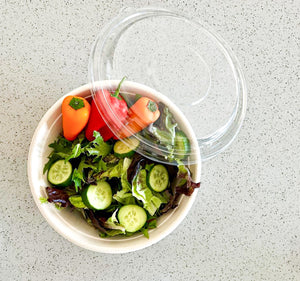
We've been very happy with these lids. They fit securely, are sturdy, and work perfectly with our salad bowls. Great quality product and reliable for takeaway and delivery orders. Will definitely purchase again.
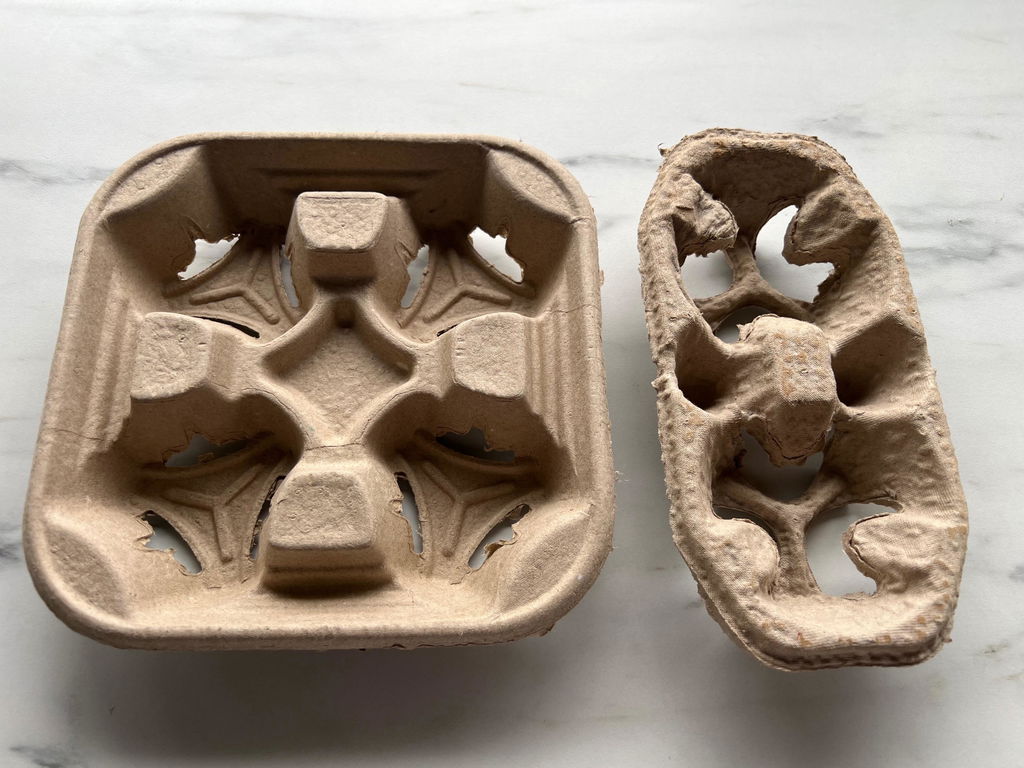
These are aesthetically ugly with brown stains, I get it probably recycled card pulp and it does the job of holding cups but I’m disappointed. Compared the 4 cup holders ones you sell, those are much nicer with cleaner edges and surfaces. I recommend you use the same supplier as the 4 cup design.