How to Reduce Packaging Costs Without Compromising Quality
Packaging is rarely the biggest line on a cafe P&L, but it is one of the easiest to optimise.
UK cafe operators can typically take 10-25% out of their packaging spend without changing what the customer sees, by pulling seven specific levers: consolidating suppliers, ordering at the carton or pallet tier, hitting free-delivery thresholds, swapping formats, getting custom-branded volume right, locking trade terms, and tightening waste and breakage. Most of the upside sits in the first three. None of this is about cheaper or thinner stock - it is about buying the same stock smarter.
At a glance: where the money is
Buy in bulk, not retail Bulk catering pricing typically beats retail by 15-25% based on the supplier trade vs retail spread.
Consolidate suppliers One supplier means one delivery, one invoice and bigger-order discounts.
Hit the free-delivery threshold Most UK trade suppliers offer free delivery over £100; small orders eat into margin.
Format swap Single wall + sleeve vs double wall; PET vs PLA; the right format for the menu, not the trend.
Why packaging cost is rising in 2026
Before the levers, the context: packaging costs are climbing for structural reasons that won't reverse. The April 2026 UK Plastic Packaging Tax rate is now £228.82 per tonne for plastic with less than 30% recycled content, and Extended Producer Responsibility (pEPR) fees became recyclability-based in 2026, raising costs disproportionately for hard-to-recycle formats per Packlab's pEPR analysis. Add corrugated capacity tightness, energy and wage inflation as set out in Allpack's 2026 cost roundup, and industry sources put packaging unit price inflation in the high single digits since 2024.
Total UK cafe gross margin sits around 65-70% on food and drink, with packaging typically running 3-6% of revenue depending on takeaway mix. A 20% saving on packaging gives back 0.6-1.2 points of total margin - real money on a £500k turnover.
Lever 1: Consolidate suppliers
Most independent UK cafes buy packaging from three to five suppliers - one for cups, one for boxes, one for bags, an Amazon order for the gaps. Each parcel below the free-delivery threshold leaks margin. Each invoice eats admin time. And no single supplier sees enough volume to give you the discount tier you would qualify for at consolidated spend.
Start by listing every packaging line you buy in a quarter, the supplier and the order size. Group by category. Anywhere you have two suppliers in the same category (cups + lids from two sources, for example), there is a margin and ops opportunity to merge. Aim for one primary supplier covering 70-80% of spend and one or two specialists for the rest.
Lever 2: Order at carton or pallet, not by unit
Trade suppliers in the UK price in tiers. Catering24 publish a typical pattern: bulk orders over 5,000 units unlock tailored quotes, with tiered pricing across the rest, per their trade range. Polymer UK and similar manufacturers price similarly. Across the trade, the published industry view is that bulk pallet ordering typically saves 15-25% versus broken-case retail buying based on the supplier trade vs retail spread.
The friction is storage. A 12oz cup pallet runs 1,000-2,000 cups across multiple cartons; if you do not have the back-of-house space, you cannot land the discount. Three counter-moves:
Negotiate split delivery. Many UK trade suppliers will hold pallet stock and split deliver weekly. You pay the pallet price; they manage the stock.
Co-buy with a sister cafe or another local independent. Two cafes splitting a pallet of cups halve the storage burden and both get pallet pricing.
Use a multi-site contract. Larger operators with 5+ sites can put central purchasing in place and ship to each site at carton volume.
Lever 3: Hit the free-delivery threshold
Most UK trade packaging suppliers run a free-delivery threshold of £75-£150. Below that, you pay £7-£15 carriage. Three small orders a month at £9 carriage is £324 a year going straight out the door. If your typical order is £80 and the threshold is £100, adding one or two slow-moving lines you would order anyway in the next four weeks usually clears the threshold for less than the carriage cost.
Element Packaging's threshold is £100 ex VAT, free UK delivery above that. Worth designing your order pattern around.
Lever 4: Format swap (the menu, not the trend)
This is where most operators leave money on the table because they ordered what they ordered last year, even after the menu changed. Three common opportunities:
Single wall + sleeve vs double wall. A 12oz single wall PE cup plus a corrugated sleeve costs around 5-7p all-in; an equivalent 12oz double wall is around 6-8p. If 80% of your cups are takeaway and need a sleeve anyway, double wall wins on price and ops simplicity. If you're a tray-service cafe with 60% in-house drinking, single wall on demand is cheaper.
PLA vs PET cold cups. Both are recyclable in PPT terms only if >30% recycled. PLA is industrial compostable and PPT-liable; PET cold cups are recyclable in standard streams and slightly cheaper. If your local council has the infrastructure to compost PLA, the eco story is worth the premium; otherwise reconsider.
Bagasse clamshells vs PE-lined paper trays. Bagasse is PPT-exempt, EN 13432 compostable, and typically 10-20% more per piece than PE-lined paper. The PPT and EPR savings on volume close the gap.
Lever 5: Custom-branded volume - get the MOQ right
Custom-printed cups, bags or boxes uplift brand recognition and customer perception, but only pay back when the MOQ is right-sized to volume.
10,000-25,000 cups at MOQ is the standard UK lead-time + economics sweet spot for one-colour print, costing typically 1.5-2.5p uplift per cup vs plain.
Below 10,000, the artwork setup and short-run premium can wipe out the unit saving; consider digital print or wraparound paper sleeves with a custom-printed sleeve instead of a custom cup.
Above 50,000, multi-colour printing becomes economic and the per-cup uplift drops below 1.5p.
Plan the print cycle around your stock cycle. Ordering a 25,000-cup custom run when you turn over 1,500 cups a week means a 17-week supply on hand - manageable, but tying up cash. Match MOQ to 6-12 weeks of supply where possible.
Lever 6: Trade account, terms and payment timing
If you are buying through retail Amazon or supermarket cash-and-carry, you are paying retail markup on every line. Open a trade account with one or two specialist packaging suppliers. The discount is normally 15-25% vs retail, plus the free-delivery threshold and credit terms.
Where credit terms are available (typically 14-30 days net for established accounts), using them sensibly improves your cash-conversion cycle. You sell coffee in cups on day 1; you pay for the cups on day 30. That's three weeks of free working capital on every order - meaningful at scale.
Lever 7: Waste, breakage and stock control
The cheapest cup is the one you don't need to buy. A few specific watch-outs:
Lid mis-fit. Buy lid and cup as a system from the same supplier. A 1mm rim mismatch puts 5% of cups in the bin as leakers.
Storage damage. Stack pallets correctly. Damp storage warps paperboard; a top-loaded box on a sleeve carton crushes the contents.
Over-ordering perishables. Branded napkins, custom sleeves and printed bags don't have an expiry, but designs go out of date. A 50,000-sleeve run that sits 14 months in stock costs you cash flow.
FIFO rotation. First in, first out on stored packaging stock prevents oldest-first damage from making the next reorder feel like more breakage than it is.
A worked example: switching from broken-case retail to a consolidated trade account
A two-site independent cafe in London running roughly 8,000 hot cups a week, 4,000 cold cups, 6,000 napkins and 2,500 takeaway boxes through three different suppliers.
That is a £3,900 annual saving with no change to what the customer sees. Add a format swap (single wall + sleeve to double wall, saving 1p per cup on 8,000 cups) and you save another £4,160 a year, with simpler operations.
Best for: where to start by cafe type
Single-site independent Levers 1, 2 and 3. Consolidate to one trade supplier, order carton tier, hit the £100 threshold. Browse our cafe collection.
Delivery / cloud kitchen Levers 4 and 7. Format-match boxes and bags to delivery temperature and stability. Cut breakage.
Bakery / patisserie Levers 5 and 6. Right-size custom-printed cake boxes and bags; open trade terms for credit.
Frequently asked questions
How much can I realistically save on packaging? 10-25% is typical when you pull the first three levers (consolidate, carton tier, free-delivery threshold). Aggressive operators on multi-site can push 30% with custom-printed volume and centralised buying.
Will cheaper packaging hurt my brand? The levers in this article are about smarter buying, not cheaper stock. Material grade, branding and customer experience stay constant; only the procurement structure changes.
What's the minimum order to get trade pricing? Most UK packaging suppliers offer trade pricing from the first carton, with deeper tiers at 5,000+ units and pallet-level pricing at 10,000+. Bulk catering pricing typically beats retail by 15-25% based on the supplier trade vs retail spread.
How do I switch suppliers without disrupting service? Build a 4-6 week safety stock of your top SKUs from your existing supplier, then transition. Most disruptions come from running cup or lid stock to zero on a transition week.
Is custom branding worth the premium? Yes, if your volume hits MOQ (typically 10,000-25,000 for one-colour print) and the design will hold for 6-12 months. Below that volume or with frequent design changes, sleeves or stickers give better flexibility.
What about plastic packaging tax? PPT applies to plastic packaging with less than 30% recycled content at £228.82 per tonne from April 2026. Switching to bagasse, paper or aqueous-lined formats removes the line entirely. PLA stays inside PPT because PPT taxes polymer, not source.
Should I sign a long-term supply contract? 12-month rolling contracts with quarterly volume review are typical and unlock the best per-unit pricing. Lock-in beyond that limits your ability to switch as your menu or volume changes.
How often should I review packaging spend? Quarterly, with a full re-tender every 18-24 months. Cafe menus change, suppliers' positioning shifts, and the 2026 cost environment is moving fast enough that a stale spec wastes money.
Packaging costs are not a fixed line. With a structured look at how you buy, what you buy and from whom, most UK cafes find 10-25% savings that the customer never notices. We offer trade accounts with free UK delivery over £100, carton-tier pricing from the first case, and the full compostable, recyclable and PE-free range across cups, boxes, bags and cutlery. Browse our full range or open a trade account today.
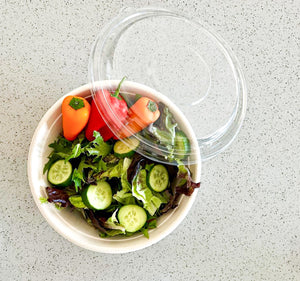
We've been very happy with these lids. They fit securely, are sturdy, and work perfectly with our salad bowls. Great quality product and reliable for takeaway and delivery orders. Will definitely purchase again.
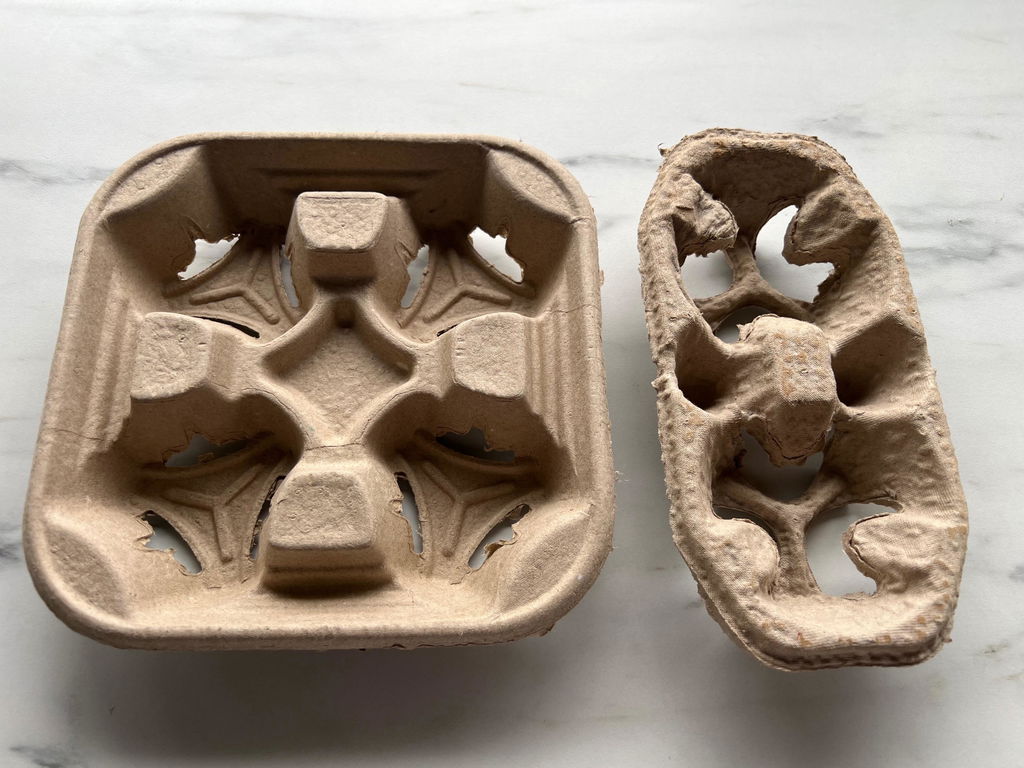
These are aesthetically ugly with brown stains, I get it probably recycled card pulp and it does the job of holding cups but I’m disappointed. Compared the 4 cup holders ones you sell, those are much nicer with cleaner edges and surfaces. I recommend you use the same supplier as the 4 cup design.